Hiring the wrong land clearing contractor can cost you weeks, thousands of dollars, and serious headaches. The right one shows up with the correct equipment, a clear plan, and zero surprises. Here’s exactly what to look for—and what to ask—before you commit.
If you’ve tried to clear a few acres of overgrown Texas brush, you already know this: not all contractors work the same way. Some show up with a dozer, push everything into a burn pile, and call it done. Others walk the property first, ask about your goals, identify the trees you want to keep, and then choose the method that fits—whether that’s a mulcher, an excavator, or a combination.
At RTS Construction & Land Clearing, we’ve walked hundreds of properties across East Texas and the Dallas-Fort Worth area over 25 years. What we see more than anything else? Landowners who chose based on price alone and ended up paying twice—once for the original work and once to fix what was missed or done wrong.
The First Question to Ask Any Contractor: What’s Your Plan?
A contractor who quotes you before walking your land is guessing.
Every property has unique challenges: drainage patterns, soil conditions, terrain that limits equipment movement, trees worth preserving. A contractor who doesn’t assess those things before quoting isn’t doing their job.
When RTS crews visit a site, the first step is walking it with the property owner. We ask what you’re trying to accomplish—building a home, opening up pasture, improving drainage, creating a hunting lane—and we build a plan around that goal. That conversation changes what equipment we bring and how we approach the work.
Pro Tip: If a contractor quotes your job over the phone without visiting the site first, that’s a red flag. An on-site estimate is standard practice for any legitimate land clearing service.
Know the Difference Between Clearing Methods
The most common mistake property owners make is assuming land clearing is one thing. It’s not—and the method matters.
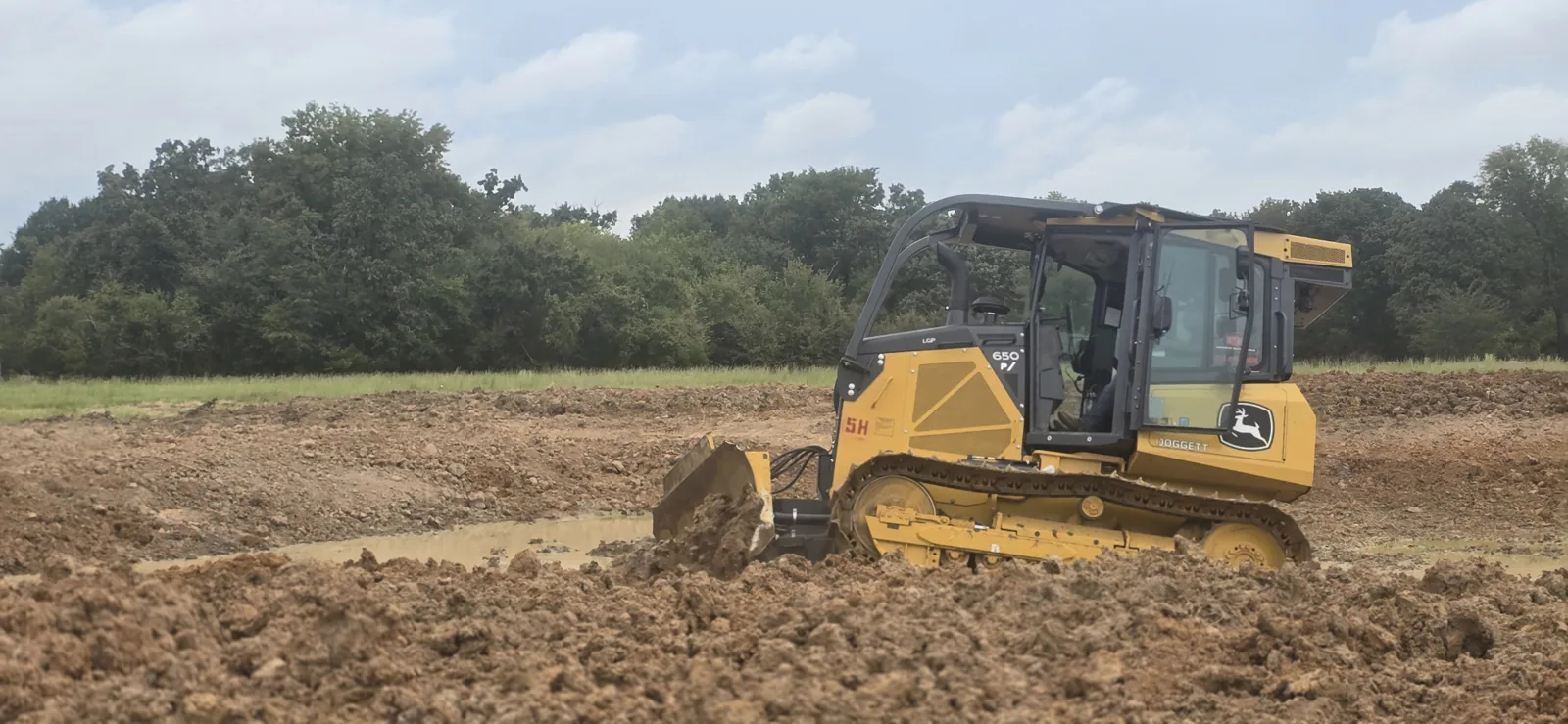
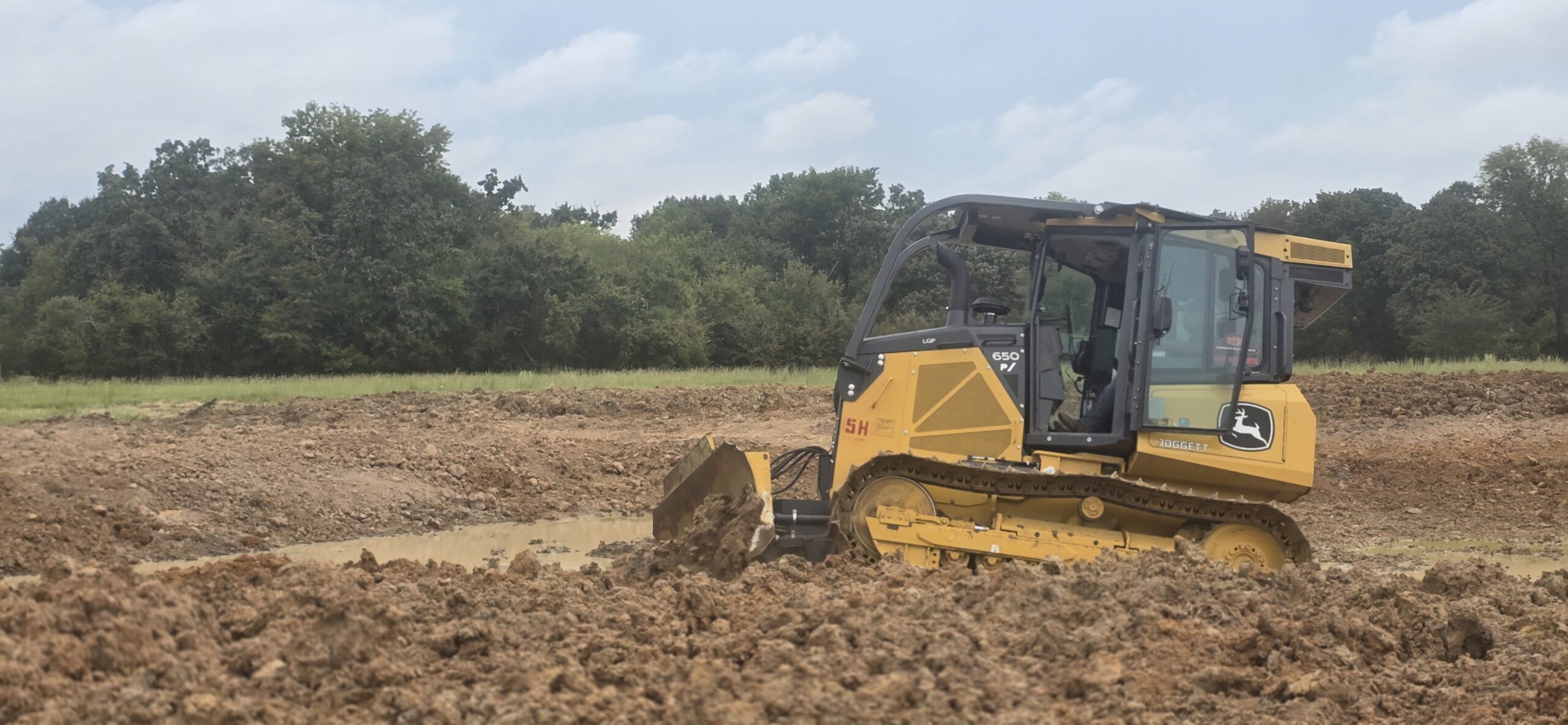
Traditional clearing with dozers and excavators works well when you need to remove large trees and stumps, or when you’re preparing a building site that requires grading and a clean pad. It disturbs topsoil significantly and leaves the ground exposed to erosion until grading and stabilization are complete.
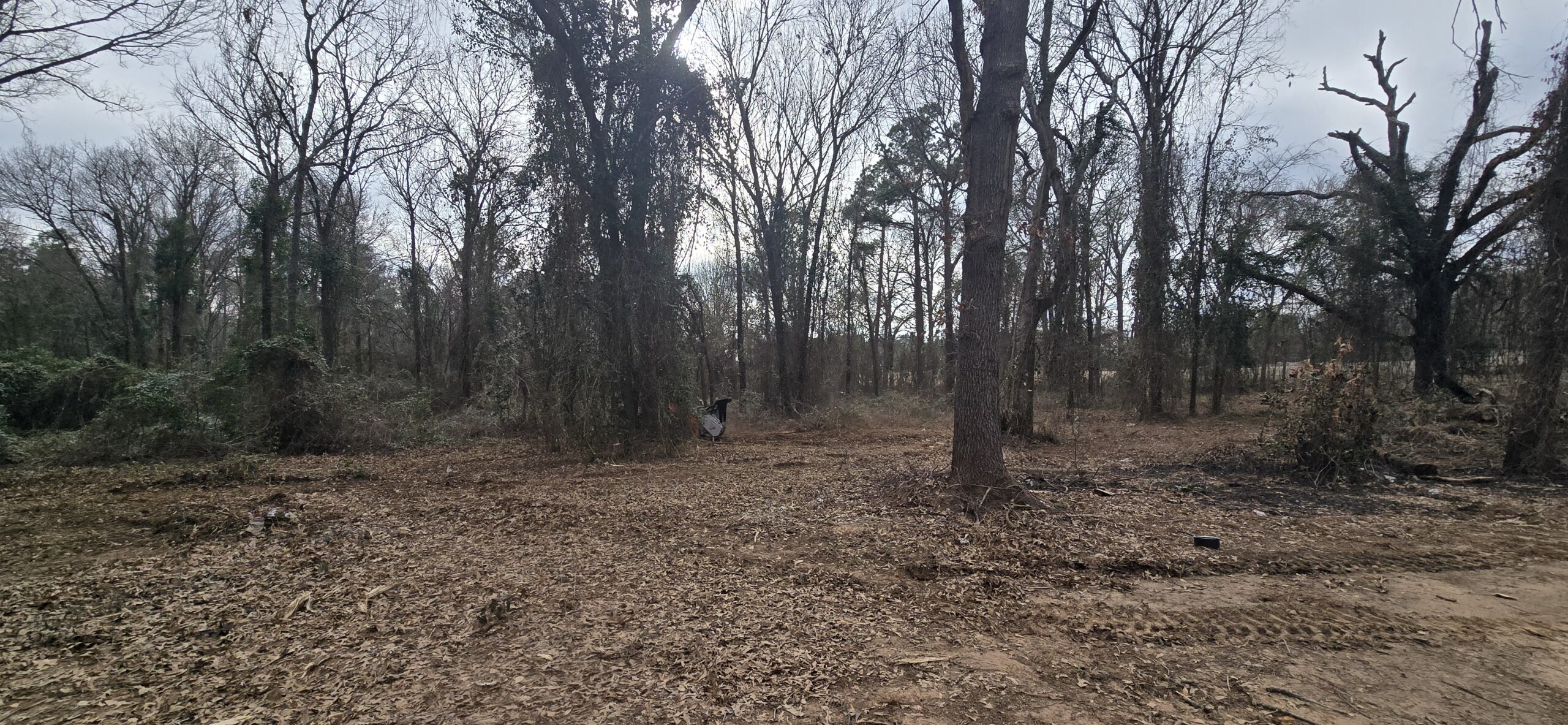
Forestry mulching is different. A mulching machine grinds trees, brush, and undergrowth into fine chips that stay on the ground—controlling erosion, improving soil health, and leaving the topsoil intact. For fence row clearing, pasture management, or fire mitigation, it’s often faster and more cost-effective than hauling debris.
Neither method is universally better. The right answer depends on what the land needs to do when the work is done. Any contractor worth hiring will explain the options clearly and help you choose.
Did You Know? Forestry mulching can clear several acres in a single day, and the mulch layer decomposes within one to two years, returning organic matter to the soil. For erosion-prone properties, it’s often the smarter starting point before grading begins.
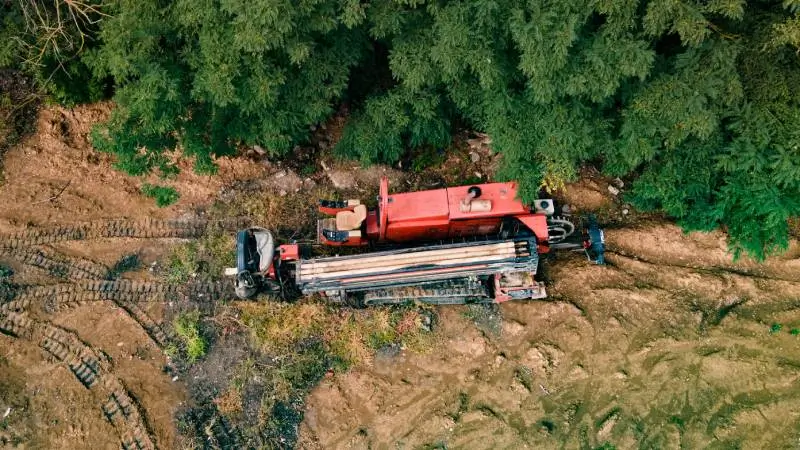
What to Check Before Hiring Any Excavating Contractor
Once you’ve talked through the approach, verify a few practical things with any excavating contractor before work begins.
Insurance. Confirm the contractor carries appropriate liability coverage. If equipment damages a fence, a utility line, or a neighbor’s property, you shouldn’t absorb that cost.
Equipment ownership vs. subcontracting. Some contractors own their machines. Others rent or subcontract. There’s nothing wrong with either—but know who will actually be on your property.
Local terrain experience. East Texas land—particularly in areas like Fruitvale, Tyler, Canton, and Longview—can be dense, hilly, and clay-heavy. A contractor unfamiliar with heavy clay or difficult slopes may struggle. Ask specifically about their experience with similar properties.
Documented past work. A contractor doing good work can show it. Ask for references or project photos. RTS maintains a project gallery showing actual East Texas jobs—not stock photos.
How Excavation and Land Clearing Often Go Together
Land clearing and excavation are frequently part of the same project, not separate ones.
You clear the trees and brush first. Then you excavate for drainage, utilities, a driveway base, or a building pad. Then you grade and level. These phases flow into each other, and having a single contractor who handles all of them keeps the job moving and avoids gaps in accountability.
RTS handles excavation services—utility trenching, drainage correction, dozer work, and site shaping. When land clearing rolls into excavation, the same crew and equipment are already on-site. A second contractor coming in afterward creates ambiguity: when something doesn’t line up right, nobody owns the problem.
Did You Know? Most drainage problems on rural East Texas properties aren’t caused by weather—they’re caused by grading that wasn’t done correctly during site prep. Fixing that after the fact costs significantly more than doing it right the first time.
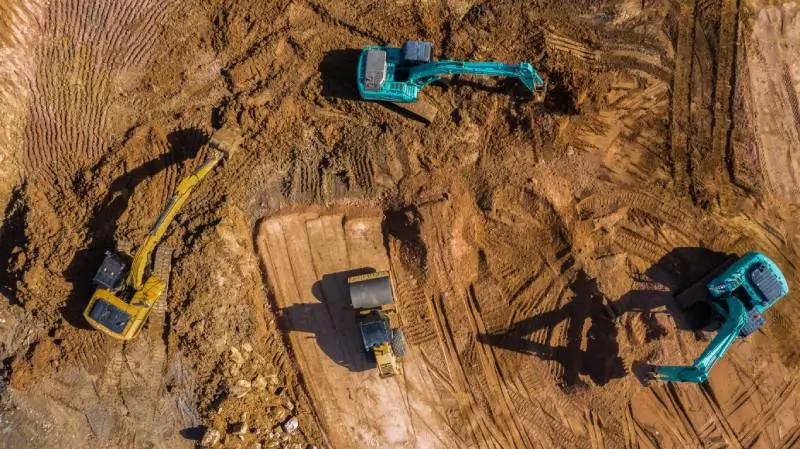
When Demolition Has to Come First
Not every land clearing job starts with trees. Sometimes there’s a structure, slab, fence line, or outbuilding that has to come down before clearing can begin.
Demolition services handle this phase—and the same rules apply: experience with the type of structure, proper insurance, and a clean process for debris removal. When the same company handles demolition and clearing, there’s no gap in responsibility and no debate about who left what behind.
What a Good Estimate Actually Includes
A legitimate estimate from a reputable land clearing contractor specifies:
- A clear scope of work (what’s being cleared, how, and what happens to debris)
- A realistic timeline based on your acreage and vegetation density
- What’s included and what’s not (debris hauling vs. on-site mulching, for example)
- Any site conditions that could affect the final cost
Vague estimates that just say “land clearing, X acres, $Y” leave too many questions unanswered. Get specifics before anyone touches your property.
Pro Tip: Ask the contractor to describe what “done” looks like before they start. Will there be debris piles? Is grading included? This is the simplest way to prevent a disagreement at the end of the job.
Site Preparation: Where It All Comes Together
Land clearing and excavation are both means to an end. That end is a prepared site ready for what comes next—a home, a barn, a pond, a pasture.
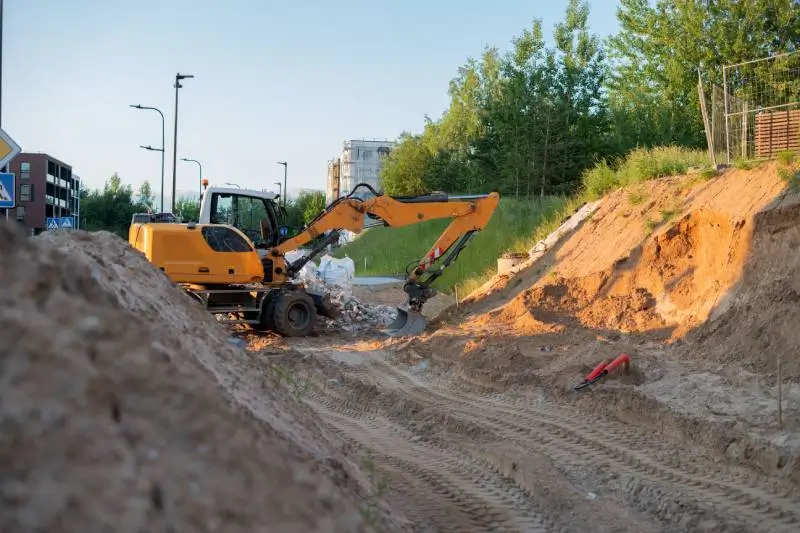
Site preparation and grading is where that foundation gets built. It involves leveling cleared land, establishing proper drainage, and creating the surface conditions the next phase of your project requires. Skip this step or rush through it, and every contractor who follows pays for that decision.
The best clearing and excavation companies in East Texas treat site prep as the finish line, not an afterthought—working toward the next phase of your project, not just completing their own task.
Conclusion
Getting land clearing right comes down to choosing a contractor who walks your property, explains their approach honestly, uses the right method for your goals, and takes responsibility for the full job. Price matters, but it shouldn’t be your first filter.
If you’re planning a clearing, excavation, or site prep project in East Texas or the DFW area, RTS Construction & Land Clearing offers free on-site estimates with no obligation. Call (903) 980-0809 or contact us online to schedule yours.
Frequently Asked Questions
How do I know whether I need land clearing or forestry mulching?
It depends on what you’re doing with the land afterward. If you’re building a structure or need a graded pad, traditional land clearing with dozers and excavators is usually the right fit. If you’re managing pasture, reducing erosion, or clearing fence rows, forestry mulching is often faster and better for the soil.
What’s the difference between a land clearing contractor and an excavating contractor?
Land clearing contractors remove trees, brush, and vegetation. Excavating contractors move earth, dig trenches, and reshape terrain. Many projects require both, and companies like RTS Construction & Land Clearing handle both services, so you’re not coordinating between two vendors.
How long does it take to clear an acre of wooded land in East Texas?
A single acre of moderately wooded land typically takes one to two days with the right equipment. Dense vegetation, large trees, or difficult terrain can extend that. Your contractor should give you a specific estimate after walking the property.
Do I need a permit for land clearing in Texas?
Requirements vary by county and municipality. Many rural clearing projects in East Texas don’t require permits, but work near a waterway, within city limits, or over a certain acreage may need approval. A knowledgeable contractor should flag any requirements during your estimate.
What should I do before the crew arrives on my property?
Mark or flag anything you want preserved—specific trees, property corners, nearby structures. If you have a survey, keep it accessible. Call 811 to have underground utilities marked before any excavation work begins.