Direct answer: Most small East Texas land-clearing projects take about one to three working days. Winter rain, soft clay, dense brush, steep ground, poor access, or off-site debris hauling can add time. A contractor must inspect the property before giving you a dependable schedule.
If you are asking how long does land clearing take in winter, acreage is only the starting point. The clearing method, soil condition, tree size, access, and finish level matter just as much. This complete guide to land-clearing methods and costs explains what happens during the full process.
Typical Winter Land-Clearing Timelines
Use these ranges for early planning, not as a final promise. Weather and site conditions can change the schedule after work begins.
- One acre or less with light brush: often one working day
- One to three acres with moderate brush and small trees: often one to three working days
- Three to five acres with dense growth or larger trees: often three to seven working days
- More than five acres or a complex site: usually one week or longer
Those ranges assume the crew can reach the work area, there are no major utility or boundary questions, and the debris plan is clear. Stump removal, hauling, grading, drainage work, or selective clearing can extend the job.
Did You Know? Winter can be a good time to clear land in East Texas. Less undergrowth may improve visibility, and firm ground can help equipment move efficiently. The benefit disappears when repeated rain leaves clay soil soft or rutted.
Light brush is faster than mature timber
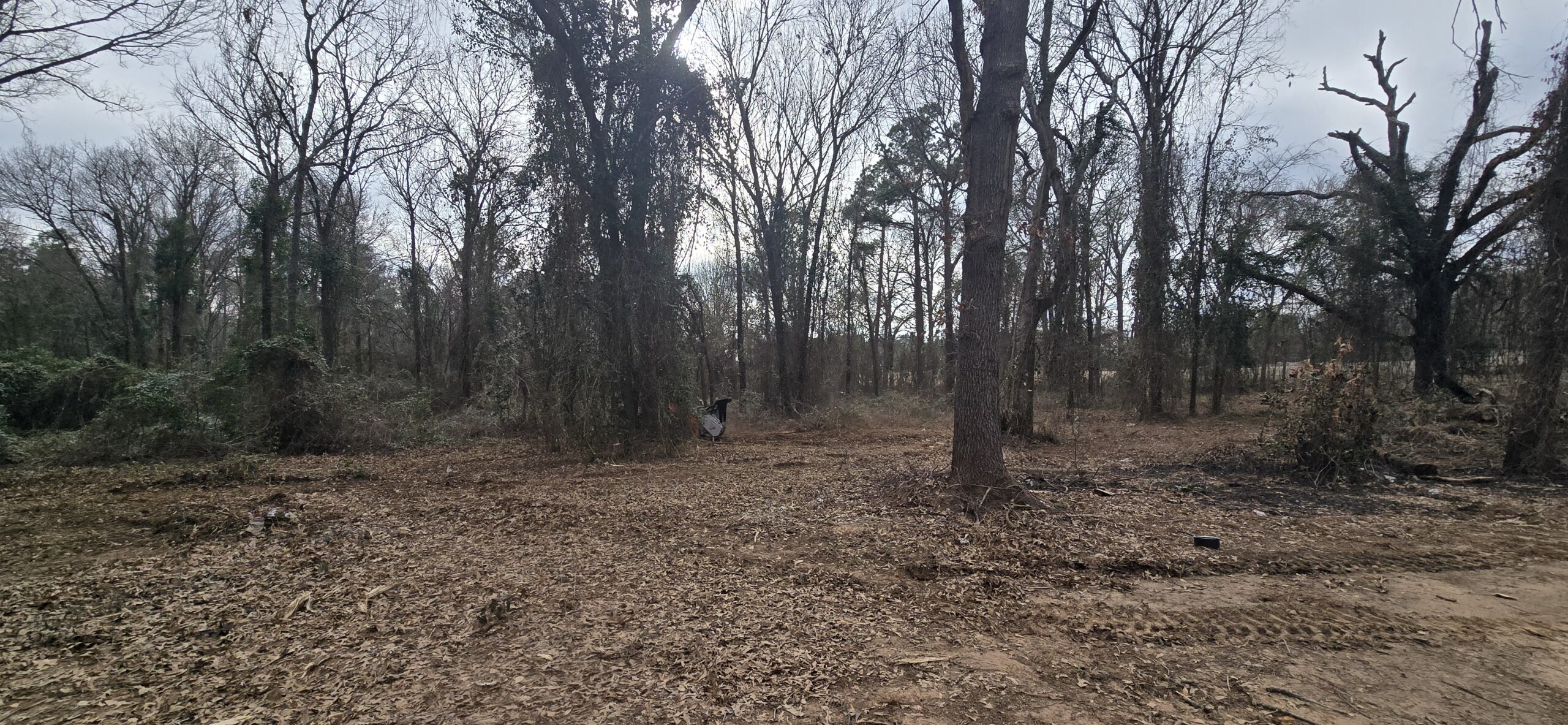
A mower or mulcher can move through small brush much faster than a crew can remove large trees and stumps. Thick vines, hidden wire, old structures, and buried debris may also slow progress.
“Cleared” can mean different things
A basic brush-clearing job is not the same as a construction-ready pad. If you need roots removed, holes filled, drainage shaped, or the site graded, include that work when asking for a schedule.
Why Winter Weather Changes the Schedule
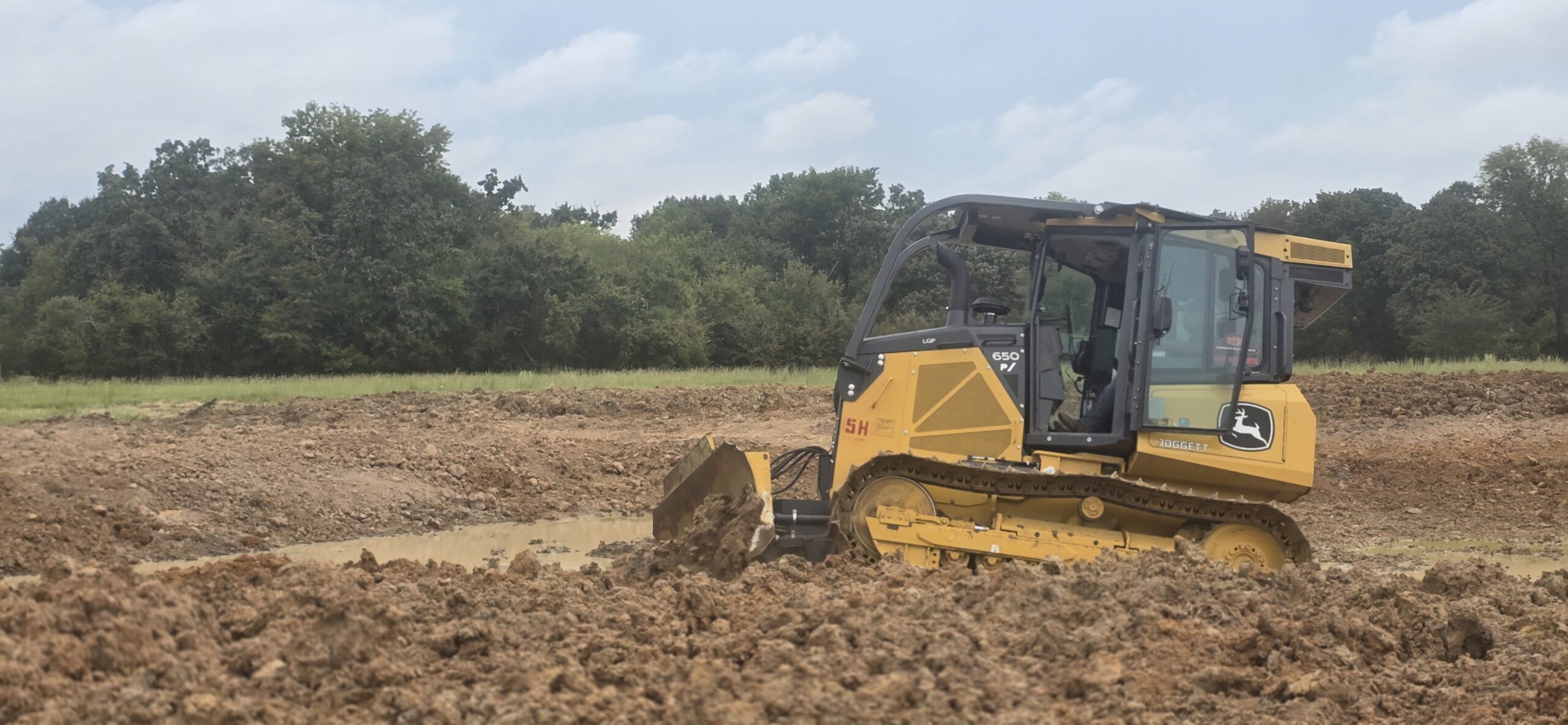
East Texas winter weather is usually mild, but rain can be a bigger schedule issue than cold. Wet soil may not support heavy equipment without rutting. A responsible crew may pause rather than damage the land or create more grading work.
Ground conditions affect equipment choices
Forestry mulchers, excavators, dozers, and skid steers handle different tasks. The best machine depends on vegetation, slope, soil, and the result you want. Moving the wrong machine onto soft ground can waste time and disturb more soil than necessary.
Shorter days reduce working hours
Winter days provide less daylight. Crews still make steady progress, but complicated cutting, sorting, or hauling may take an extra day when safe working hours are shorter.
Pro Tip: Leave weather room in your construction schedule. Do not book concrete, delivery trucks, or survey work for the morning after an estimated clearing finish. A few flexible days can prevent expensive rescheduling.
The Five Factors That Control Clearing Time
Acreage is easy to measure, but it does not show the full workload. These five items usually have the greatest effect on a winter timeline.
1. Vegetation density and tree size
Open pasture with scattered brush may clear quickly. A wooded acre with mature hardwoods, thick understory, and large root systems can take much longer. Mark any trees you want to protect before equipment arrives.
2. Access and terrain
Narrow gates, weak bridges, steep slopes, creek crossings, and tight turns can limit machine access. The crew may need smaller equipment or a different route, which can add setup and working time.
3. Soil moisture and drainage
Low areas often stay wet after the rest of a property looks dry. Clay soil can hold water and become difficult to work. Review the property’s soil information with the USDA Natural Resources Conservation Service Web Soil Survey, then confirm actual conditions on site.
4. Utilities, boundaries, and protected areas
The crew needs clear boundaries and known utility locations. Contact Texas 811 before digging, and resolve any uncertain property lines with the right professional. Ponds, drainage paths, septic systems, and trees that must remain should also be marked.
5. Debris and finish requirements
Mulching vegetation in place is different from piling, burning where allowed, or hauling material away. Stump removal and finish grading also add steps. If construction follows, coordinate the clearing plan with the needed site preparation and grading work.
Did You Know? A small wooded lot can take longer than a larger open tract. The amount and size of material often matter more than the number of acres.
How to Get a More Accurate Winter Estimate
The fastest way to improve your timeline is to make the project scope clear before the site visit. A contractor can then match the crew, equipment, and debris plan to the property.
Share the end use
Explain whether the land will become a home site, driveway, pasture, pond area, fence line, or commercial pad. The end use controls how much vegetation, root material, and uneven ground can remain.
Prepare the property for inspection
Provide the address or coordinates, a survey if available, gate instructions, and photos of wet areas or access limits. Mark the work boundary and the trees or features you want to save.
Ask what the timeline includes
Confirm whether the estimate covers mobilization, tree removal, stump work, debris handling, rough grading, and cleanup. Also ask how rain delays will be communicated and whether hauling depends on outside facilities.
Pro Tip: Request one written scope that lists what stays, what goes, how debris will be handled, and what the finished surface should look like. It reduces change orders and makes competing estimates easier to compare.
Keep a winter project on schedule
You cannot control the rain, but you can prevent avoidable delays. Finish utility-location requests early, make access available, resolve boundary questions, and decide what should happen to debris before the crew arrives.
RTS Construction & Land Clearing works year-round across East Texas and the Dallas–Fort Worth area. Its site-planning approach considers goals, access, vegetation, ground conditions, and the finish you need instead of estimating from acreage alone.
Choose a target week rather than one fixed day when possible. If the ground is saturated, waiting for better conditions may protect the property and shorten the cleanup stage. Have one person available to approve any field adjustment so the crew does not wait for answers about a boundary, saved tree, haul route, or finish grade.
Frequently Asked Questions
Is winter a good time to clear land in East Texas?
Yes, winter can be a practical time because undergrowth may be thinner and firm ground can support equipment well. However, heavy rain can soften clay soil and delay work. The property should be checked shortly before the planned start.
How long does it take to clear one acre?
Light brush on an accessible acre may take about one working day. Moderate trees, stumps, wet soil, steep terrain, hauling, or detailed finish work can extend the job to several days. A site visit gives a more dependable answer.
Does forestry mulching save time?
It often does when the goal is to reduce brush and smaller trees while leaving ground cover in place. It may not replace excavation when you need large stumps removed, buried material cleared, or a construction-ready grade.
Will rain stop land clearing?
Not every rain event stops work. The key issue is whether the soil can safely support equipment without deep ruts, compaction, or avoidable damage. Your contractor should explain how ground conditions affect start dates and pauses.
What should I do before the crew arrives?
Confirm property boundaries, request utility locates, unlock access, mark what must remain, and approve the debris plan. Tell the contractor about septic systems, wells, drainage paths, soft areas, and buried or abandoned structures.
Plan Your Winter Clearing With a Site-Specific Timeline
So, how long does land clearing take in winter? A straightforward small property may take one to three working days, while dense, wet, steep, or construction-ready sites often need longer. Use the ranges above to plan, then rely on a site review for the actual schedule.
Review the full land-clearing process and request a free land-clearing estimate from RTS. You will get a scope based on your East Texas property, access, vegetation, debris plan, and finish goals.