Land clearing removes trees, brush, stumps, and vegetation from a property to prepare it for construction, farming, pasture, or recreation. The right method depends on your soil, vegetation density, end goal, and budget — and choosing wrong costs you time and money. Here’s everything you need to know before you start.
If you’re planning to build a home, establish a pasture, or develop rural land in East Texas, land clearing is almost always the first step. But “land clearing” isn’t a single service. It’s a category — and the method your project needs is determined by what you’re working with and what you’re building toward.
After 25 years of clearing land across East Texas and the Dallas-Fort Worth area, RTS Construction & Land Clearing has seen every type of terrain, soil condition, and vegetation challenge the region produces. What we’ve learned is this: the landowners who end up paying the most are the ones who didn’t understand their options before the equipment showed up.
What Does Land Clearing Actually Involve?
Land clearing is the process of removing trees, brush, stumps, roots, rocks, and other obstructions from a piece of land. Depending on the scope, it can also include grading, debris hauling, and soil preparation.
The work typically falls into a few phases: removing above-ground vegetation, addressing stumps and roots below grade, and then managing or disposing of the debris. How each phase is handled depends heavily on the method chosen.
Did You Know? A single acre of moderately wooded East Texas land can hold dozens to hundreds of trees depending on species, spacing, and whether it’s been managed. Clearing that same acre with a dozer versus a forestry mulcher produces completely different results — and completely different timelines.
The Main Land Clearing Methods
Question: What are the main land clearing methods? Land clearing methods include mechanical clearing with dozers and excavators, forestry mulching, tree shearing, and hand clearing — each suited to different property conditions and end goals.
Mechanical Clearing (Dozer and Excavator)
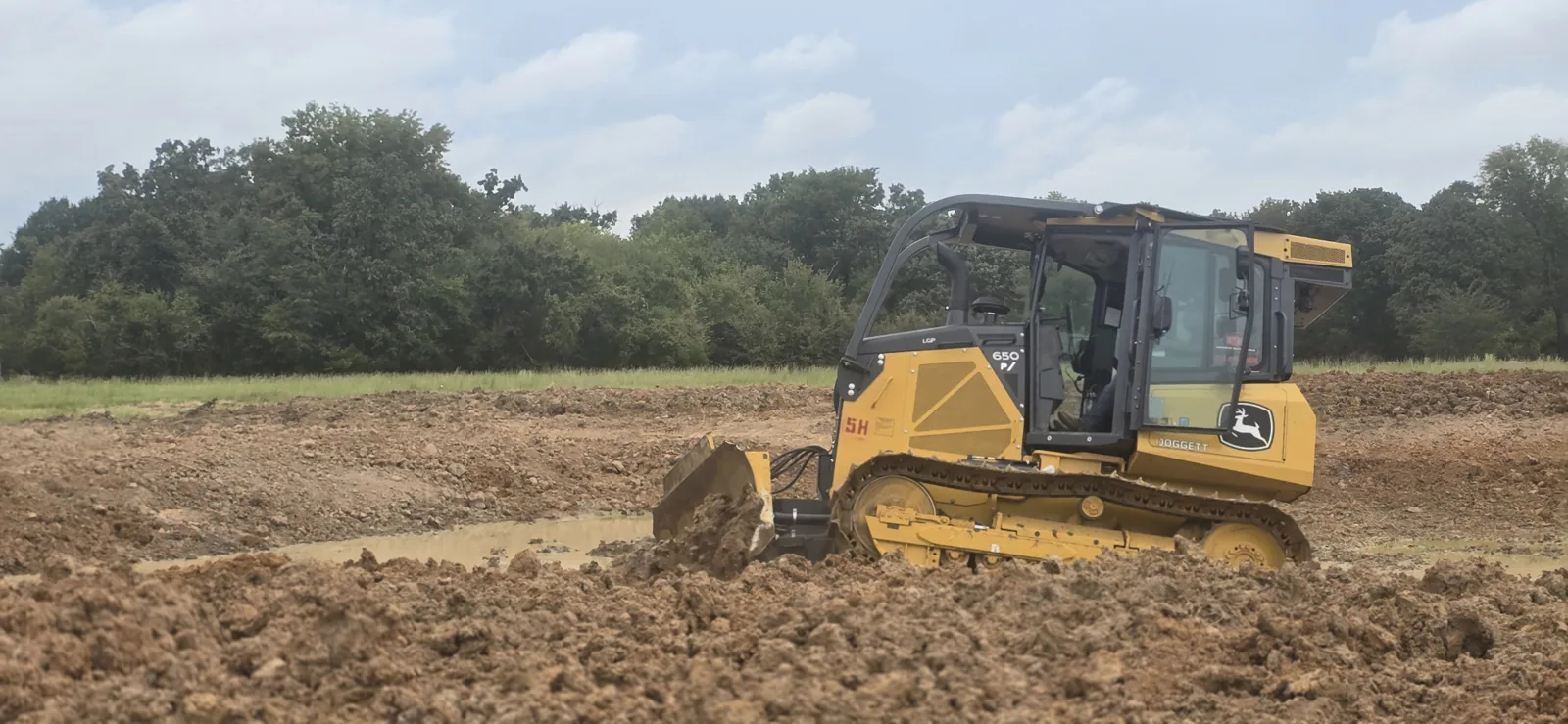
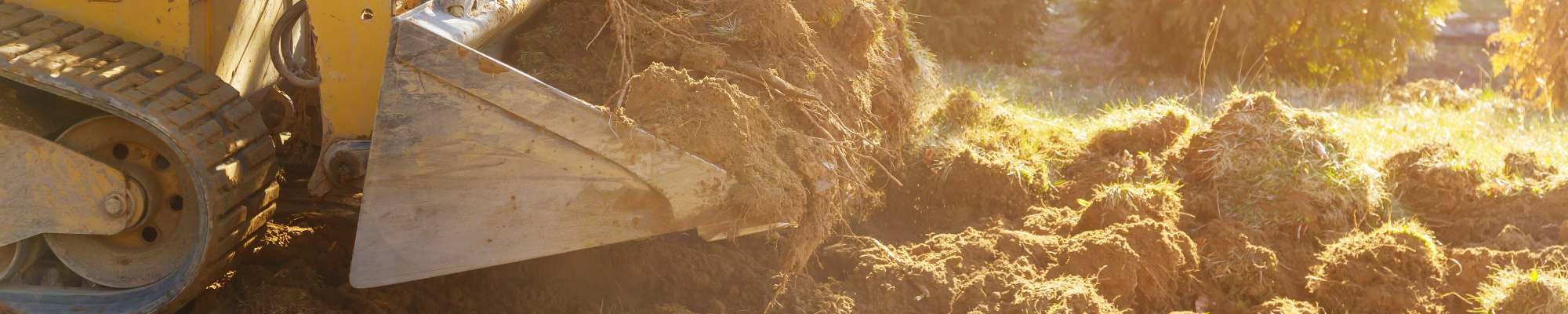
Mechanical clearing uses heavy equipment — dozers, excavators, and skid steers — to push, uproot, and remove trees and brush. This is the traditional approach for large-scale residential and commercial site prep.
It works well when you need a fully clean pad for a building foundation, significant grading, or when the vegetation is too dense or too large for mulching equipment to handle efficiently. The trade-off is that it significantly disturbs topsoil and leaves the ground exposed, which means erosion management becomes the next immediate priority.
Debris is typically pushed into piles and either burned (where permitted) or hauled off-site. Stump grinding may be a separate step.
Forestry Mulching
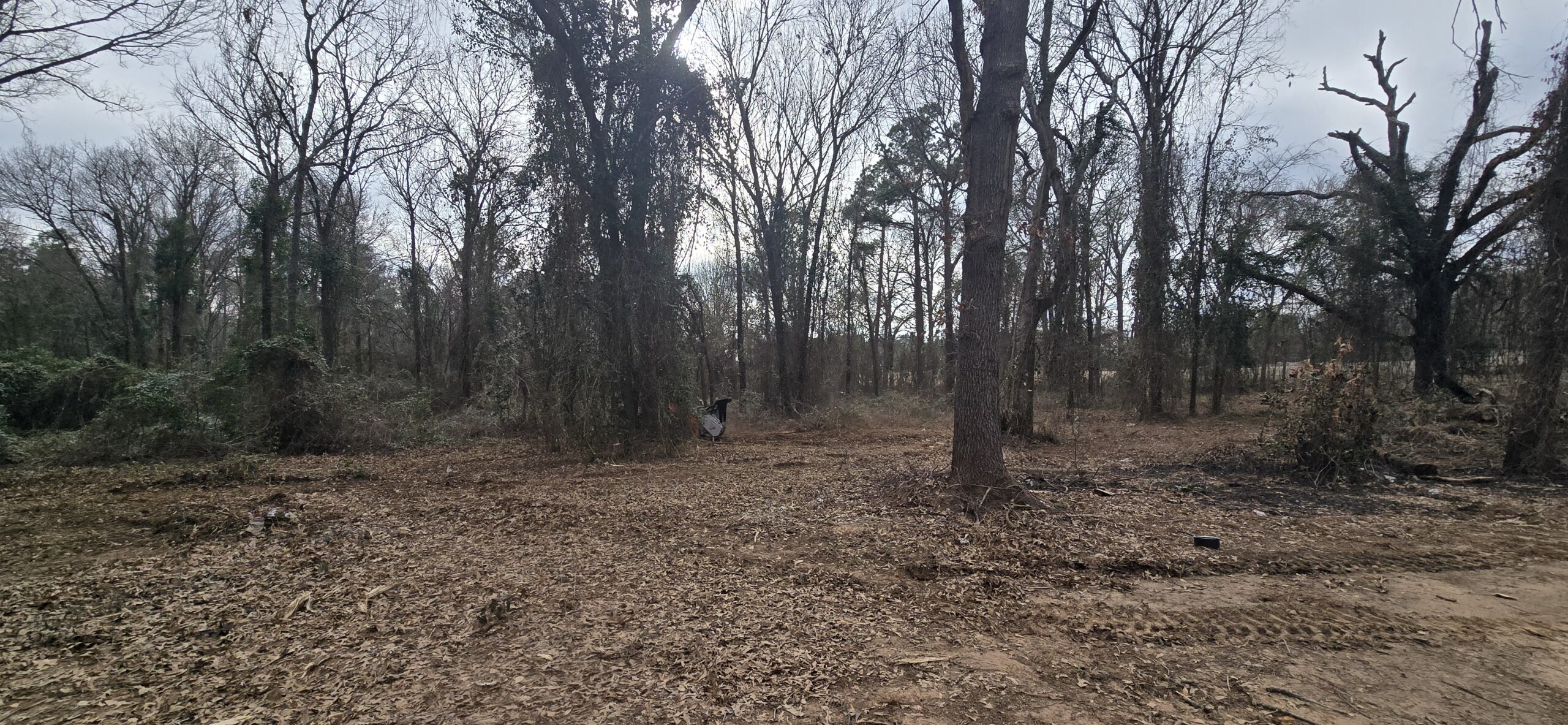
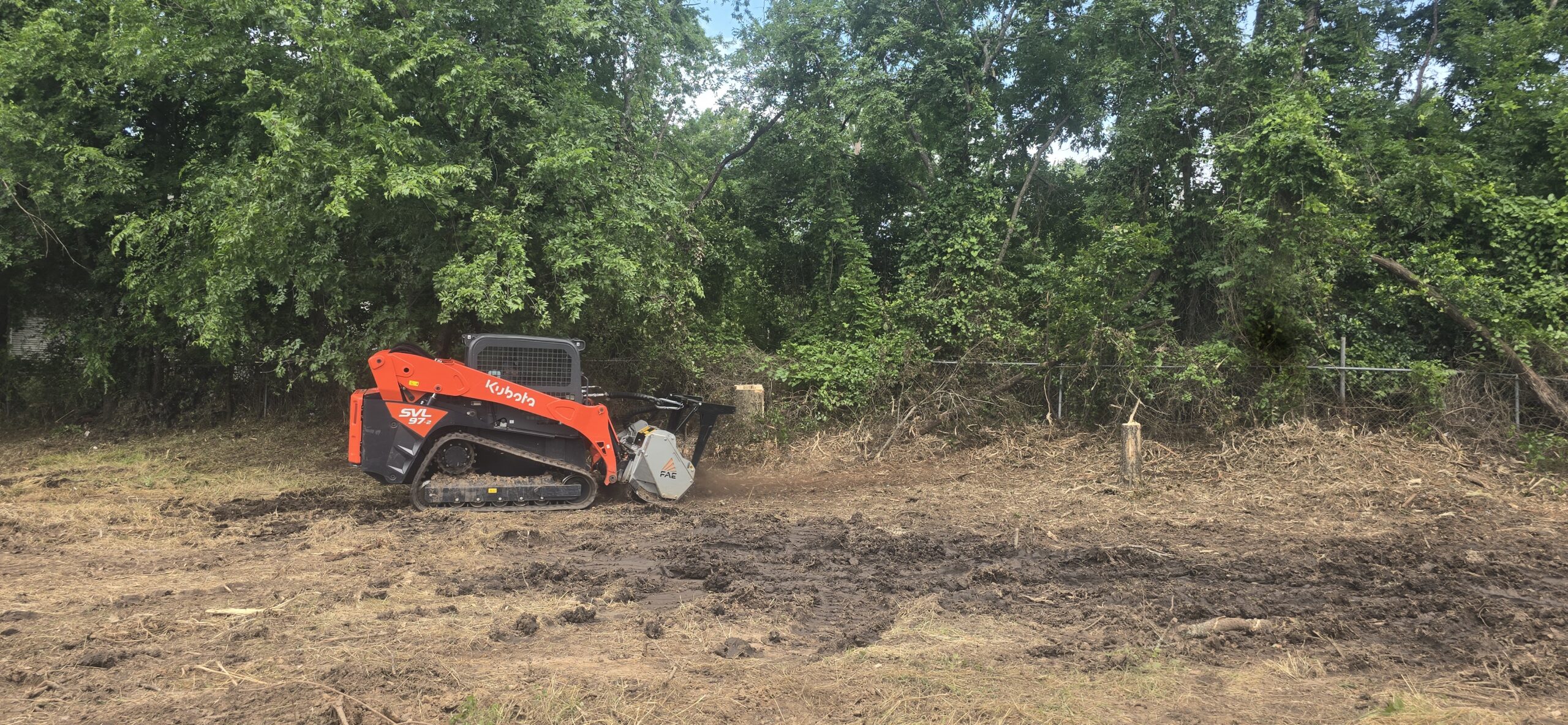
Forestry mulching uses a single machine — a drum or disc mulcher — to grind trees, brush, and undergrowth into fine chips that stay on the ground as a natural ground cover layer.
The process is faster, cleaner, and far less disruptive to the soil than dozer clearing. The mulch layer holds moisture, controls erosion, and breaks down within 12 to 24 months, returning organic matter to the soil. There’s no burn pile, no debris haul, and the topsoil stays intact.
For fence row clearing, pasture restoration, fire mitigation, and any clearing project where the soil needs to stay healthy, forestry mulching is usually the smarter method. Where it falls short is on very large diameter trees or projects that require a completely clean, graded pad.
Pro Tip: We’ve used forestry mulching as the first phase on many large East Texas sites — clearing and chipping the brush and smaller trees, then bringing in dozer equipment for the bigger clearing and grading work. This hybrid approach saves time, reduces debris volume, and protects the topsoil in areas that don’t need full grading.
Tree Shearing and Grubbing
Shearing uses a hydraulic attachment to cut trees at or just below the soil surface, without uprooting the entire root system. Grubbing goes deeper — removing stumps and root masses entirely.
This method is common on large agricultural clearing projects where root removal is needed for farming or where stumps would interfere with future grading. It requires follow-up debris management and is typically one phase within a broader clearing plan.
Hand Clearing
Hand clearing — chainsaw work, brush cutting, and manual removal — makes sense for selective clearing where specific trees need to be protected or where equipment access is limited. It’s slower and more labor-intensive, but it gives you precise control.
It’s rarely a standalone approach for acreage clearing but works well as a complement to mechanical methods.
How Much Does Land Clearing Cost?
Land clearing costs in Texas vary widely depending on vegetation density, terrain, method, and what’s done with the debris. There is no single per-acre number that applies to every job — but here are realistic ranges based on current Texas market conditions.
Question: How much does land clearing cost per acre in Texas? Lightly wooded or brushy land typically runs $1,500–$3,000 per acre. Moderately wooded properties with mixed-size trees generally fall in the $3,000–$5,000 range. Heavily wooded land with dense timber can run $5,000 to $8,000 per acre or more depending on tree size and access.
Here’s what actually moves the cost:
Vegetation density and tree size. A pasture overtaken by cedar and mesquite clears faster and cheaper than mixed hardwood forest with mature oaks. Larger trees require more time, more powerful equipment, and more debris management.
Method chosen. Forestry mulching eliminates debris haul costs — the mulch stays on-site. Dozer clearing may require hauling or burning, which adds to the total.
Terrain and access. Steep terrain, clay-heavy soil, and limited equipment access all affect how long a job takes — and time is the primary cost driver on any clearing project.
Stump removal. Stump grinding and grubbing are often separate line items. Some clearing bids include it; many don’t. Always confirm before signing.
Did You Know? Most cost discrepancies between bids come from what’s included and what’s not — not from the clearing itself. One contractor’s bid may include stump grinding and debris removal. Another’s may not. Get itemized quotes, not lump-sum numbers.
What to Expect During the Clearing Process
A professional land clearing crew will walk the property before equipment moves. They’ll identify trees you want to preserve, confirm property lines, check for underground utilities (call 811 at least two business days before any excavation begins — it’s required by Texas law), and review your end goal before choosing a method or sequence.
For most residential-scale projects in the half-acre to five-acre range, clearing takes one to three days. Larger acreage or heavily wooded properties take longer. Weather, soil conditions, and site access also factor into the timeline.
Pro Tip: Before the crew arrives, mark or flag anything you want kept — specific trees, property corners, outbuildings near the clearing area. A few minutes with flagging tape can prevent a mistake that’s expensive to fix.
After clearing, the land still needs to be assessed for grading, drainage correction, and any utility work before construction can proceed. Clearing opens up the land — site preparation and grading is what makes it buildable.
Permits and Environmental Considerations
Most rural land clearing projects in East Texas don’t require a permit. But work near a waterway, within city limits, over a certain acreage threshold, or in areas with protected species may trigger permit requirements at the county or state level.
Texas also has burn ban regulations that vary by county and season. If your clearing plan includes burning debris piles, verify current burn restrictions in your area before scheduling that phase of the work.
A knowledgeable clearing contractor should flag any likely permit requirements during your estimate — not after the job starts.
When Land Clearing Connects to Excavation
Land clearing and excavation services often run back to back on the same project. After land is cleared, the next step is typically digging — for drainage, utilities, a driveway base, or a building pad. Having one contractor handle both phases keeps the job moving without coordination gaps or finger-pointing if something doesn’t line up.
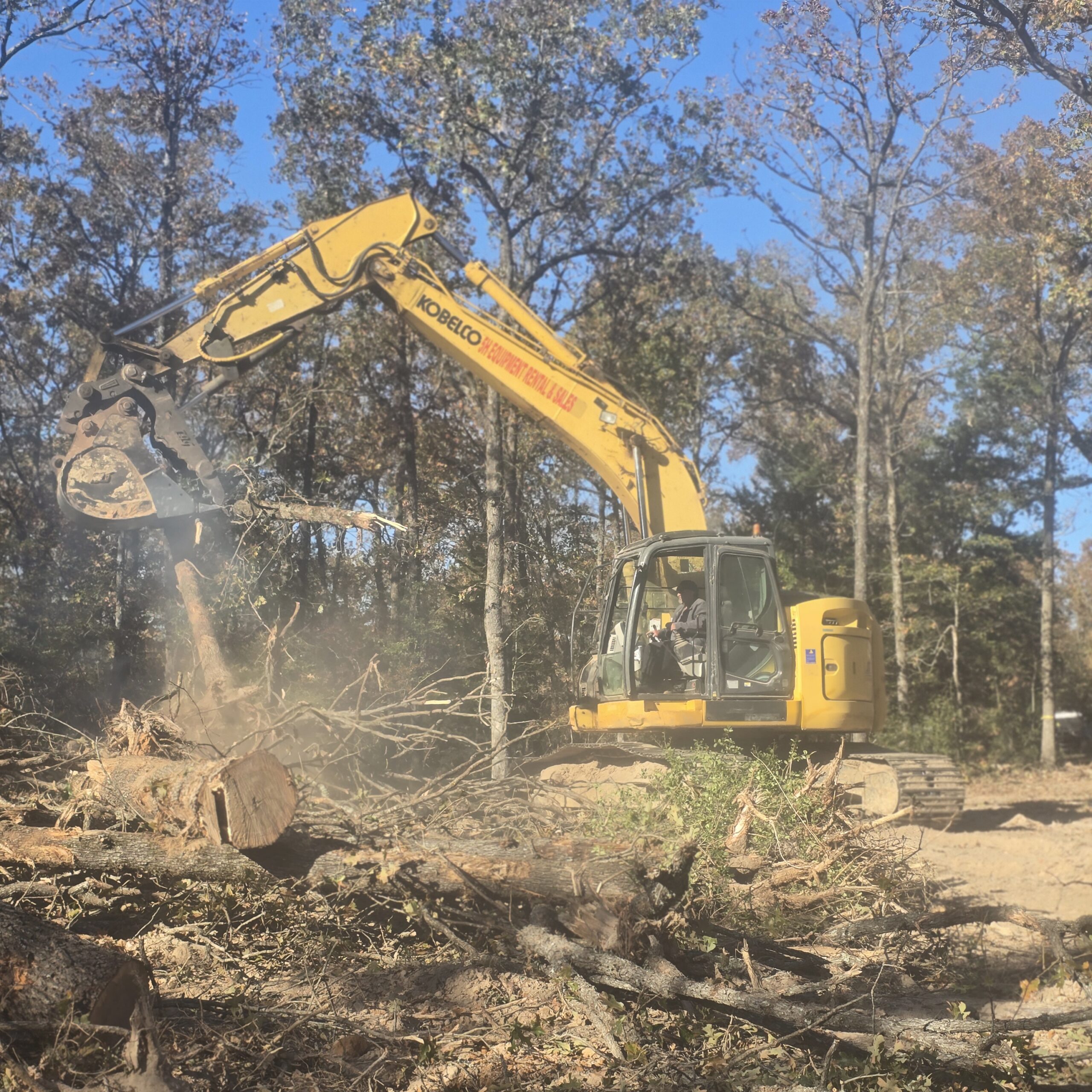
If you’re planning a pond, that’s an excavation job from the start — and the clearing phase sets up the excavator to work efficiently without vegetation in the way.
Choosing the Right Contractor for Your Land Clearing Project
The contractor you hire matters as much as the method. An experienced clearing crew knows which method fits your terrain, walks the property before quoting, and builds a plan around your goals — not just their equipment availability.
Before signing anything, review the key questions to ask any land clearing contractor and what a legitimate estimate should include.
RTS Construction & Land Clearing serves East Texas and the Dallas-Fort Worth area with land clearing, forestry mulching, excavation, site prep, and pond construction. We’ve been doing this work for 25 years — veteran-owned, family-operated, and available seven days a week.
Call (903) 980-0809 or contact us online to schedule your free on-site estimate. We’ll walk your land, explain your options clearly, and give you a straight answer on what your project needs.
Frequently Asked Questions
What is the best land clearing method for building a house? For construction projects, mechanical clearing with dozers and excavators is usually the right approach. It removes stumps and roots, prepares the ground for grading, and creates the clean pad a foundation requires. Forestry mulching may be used first on areas that don’t need a graded pad.
How long does it take to clear one acre of land? A single acre of moderately wooded land typically takes one to two days with the right equipment. Dense vegetation, large timber, or difficult terrain can extend that. Your contractor should provide a timeline after walking the property.
Does land clearing include stump removal? Not always — stump removal is often a separate service. Some contractors include stump grinding in their clearing bids; others don’t. Always ask for an itemized scope and confirm whether stump removal is part of the quoted work before signing.
Do I need a permit to clear land in Texas? Most rural clearing projects in East Texas don’t require permits, but clearing near a waterway, within city limits, or over a certain acreage may trigger county or state requirements. A qualified contractor should flag any permit needs during your estimate.
What’s the difference between land clearing and site preparation? Land clearing removes trees, brush, and vegetation. Site preparation comes after — it involves grading, compaction, drainage correction, and shaping the land to support construction. Both are often part of the same project but serve different purposes.